


Fidelity to Enter Stablecoin Market With Ethereum-Based 'Digital Dollar'
Wall Street giant Fidelity will enter the stablecoin world with the upcoming launch of its Ethereum-based Digital Dollar (FIDD).
468 articles
Wall Street giant Fidelity will enter the stablecoin world with the upcoming launch of its Ethereum-based Digital Dollar (FIDD).

Founders Fund and Galaxy-backed Citrea is aiming to unlock Bitcoin-denominated credit markets with a new mainnet and a Treasury-backed stablecoin designed for USD settlement.

Banks warn stablecoins could siphon deposits from the banking system, but policy and regulatory experts say there’s little evidence of it happening yet.
Fidelity Investments plans to launch its own Ethereum-based stablecoin, FIDD, as U.S. stablecoin regulation comes into focus.

Some $158 billion worth of illicit crypto traded last year, and much of that activity came from just one source: a ruble-pegged stablecoin with ties to Russia.
The FIDD token will run on Ethereum, serve institutional and retail users, and comply with the new GENIUS Act’s reserve rules.
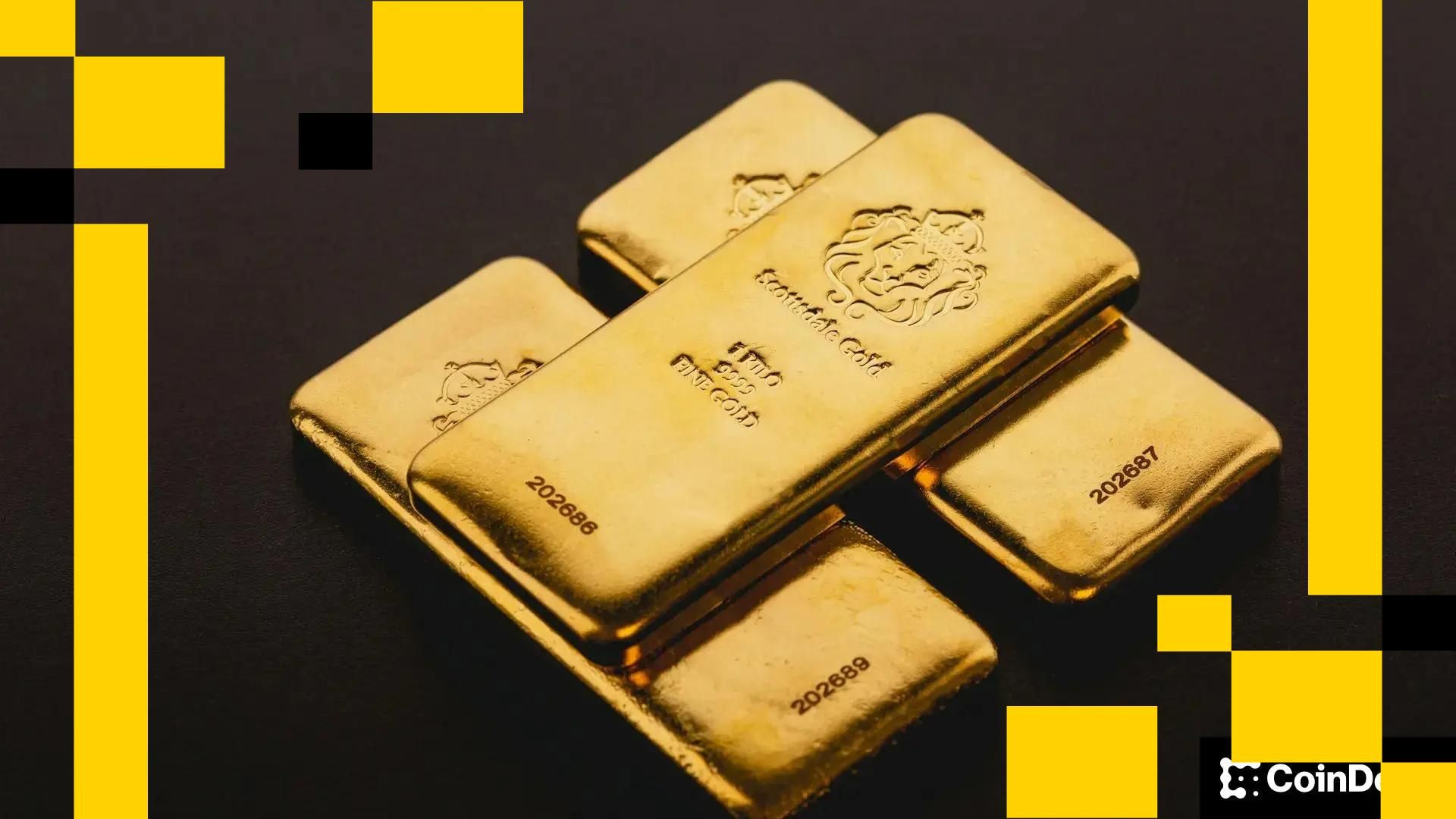
The company's gold purchases are mostly for its own reserves, but also support its XAUT stablecoin.
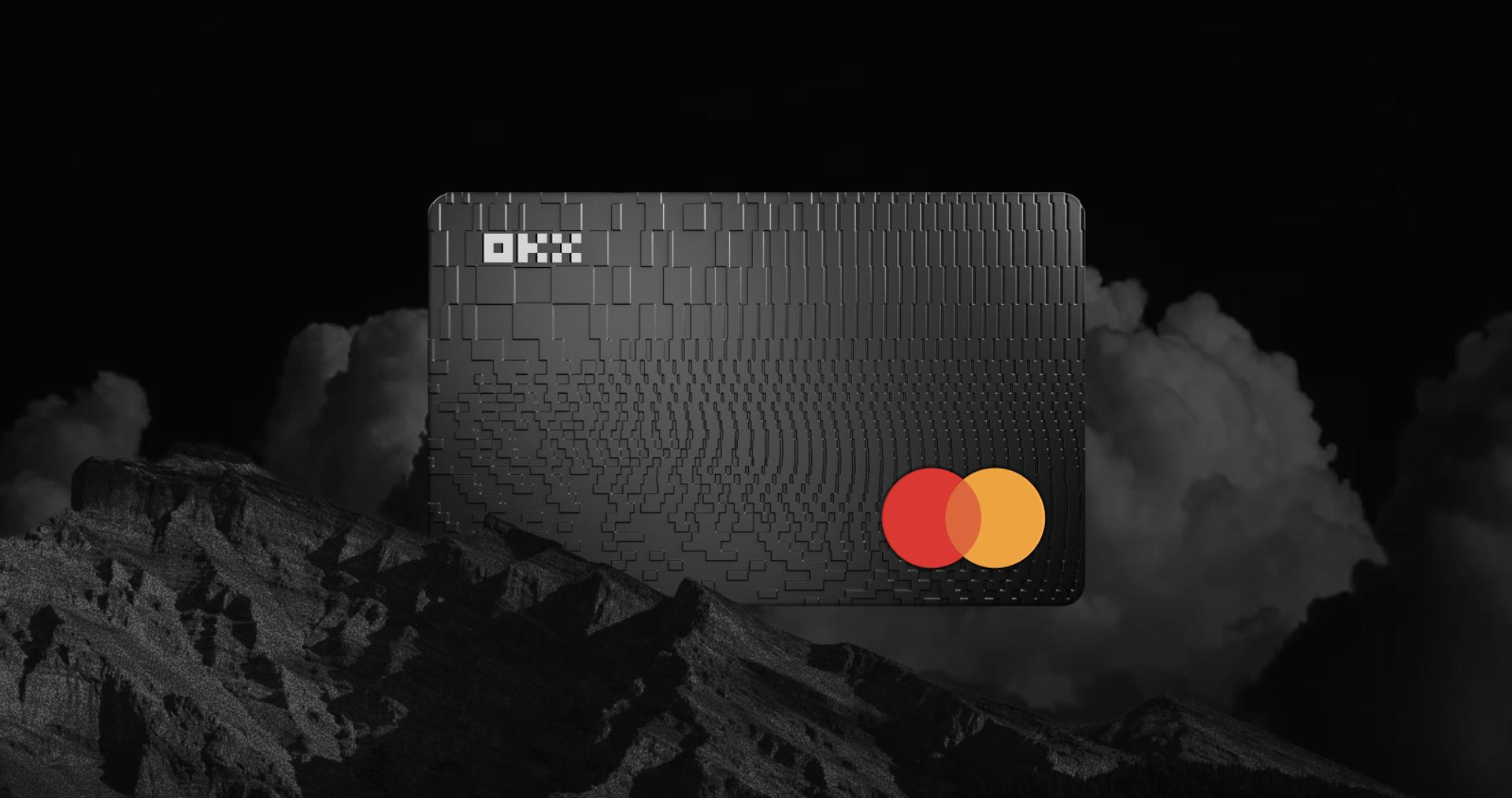
With EU banks exploring stablecoin issuance and regulators laying ground rules, OKX says its card marks a turning point in crypto’s integration into everyday finance.

OKX says the card supports USDC and USDG spending, is issued via Monavate on Mastercard’s network and is available to verified EU users.

USDC leads the decline in the market cap of top stablecoins, posing risk to crypto market valuations.

Coinbase has been working with Solflare, R2, and Flipcash to bring custom stablecoins to market, with the latest testing focused on Flipcash's USDF.

The following article is adapted from The Block’s newsletter, The Daily, which comes out on weekday afternoons.